
Exterior work
Our Exterior Painting service includes preparing all surfaces for painting (cleaning, smoothing, sanding etc), priming, varnishing and wood staining and application of masonry paints. We can supply, source or advise on the right materials. We appreciate budget and timescale. Quality and type of paint are just some of your considerations and we are more than happy to discuss options or alternatives. No job too small or large, from a fence or gate to a whole house, office, shop or hotel, we provide the same attention to detail whatever the job is. Finally, if you are unsure about ideas for exterior decorating then our advice is freely given and with years of experience we have ideas on what can work well based on the aspect, the material or the surface. Our comprehensive list of exterior Painting and Decorating services include:
- All aspects of exterior painting and decorating
- Full external redecoration to masonry, woodwork and ironmongery
- Full preparation of all surfaces
- Woodstain, opaque, gloss, exterior eggshell and masonry paint
- Sourcing and using Specialist products as part of the works
- Rendering/filling to poor or damaged surfaces
- Fence painting
- Metalwork Painting
- Painting of Roughcast
- Decking Stain
- Cleaning Gutters
- Insurance work undertaken

Are you looking for a reliable, trustworthy, local painter and decorator?
Exterior Painting Services Sunderland
If you need exterior painting services in Sunderland, the job starts with proper prep and the right paint for the surface. I’ve been painting and decorating across Sunderland and the North East for 15+ years, and outside work only lasts if the basics are done right first. Brick, render, timber, masonry and exterior trim all need a slightly different approach. Surfaces need to be clean, dry and sound before any paint goes on. That means dealing with loose material, failed coatings and any small defects first, then using suitable primers and durable topcoats that can cope with salt air, rain and changing temperatures. Whether it’s a full house exterior, fencing, decking or a shop front, the aim is the same: a tidy, solid finish that holds up well in Sunderland weather.
Takeaways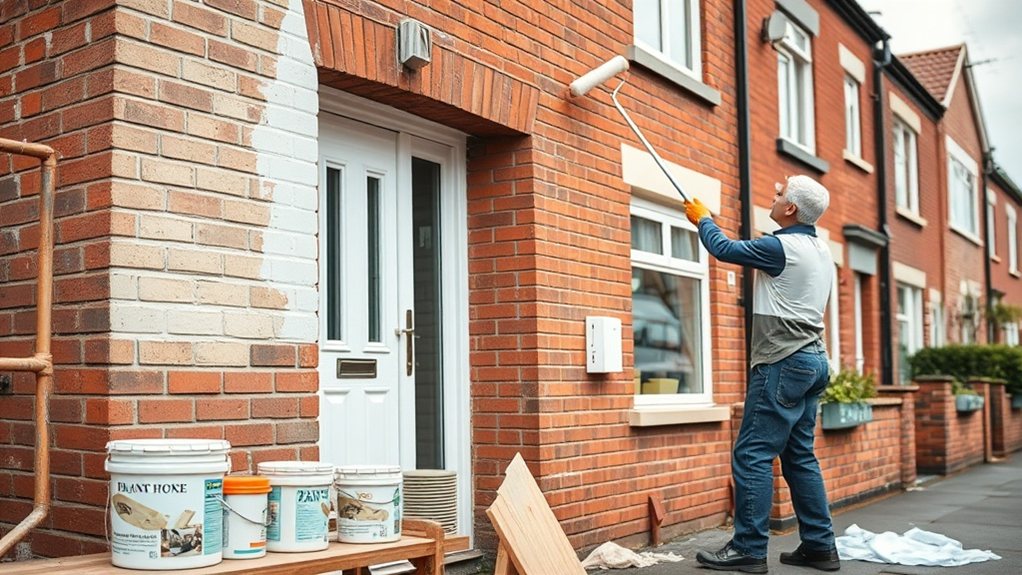
Exterior painting in Sunderland covers houses, shops, fences, decking, trim, render, brick, timber and cladding. I’ve worked on all sorts over the last 15+ years, and the right paint system depends on what the surface is doing and how exposed it is. Good preparation matters more than the topcoat. That means cleaning down, scraping off loose paint, filling cracks, caulking gaps and using the right primer or undercoat so the finish sticks properly and lasts. Sunderland weather can be hard on outside surfaces, especially near the coast. Breathable masonry paint, flexible primers and weather-resistant topcoats help deal with damp, salt air and movement in the surface. Most jobs take anywhere from a couple of days to more than a week. It depends on the size of the property, the condition of the outside walls and woodwork, access, and the weather on the day. A proper quote should set out exactly what’s being painted, what prep is included, which paint system is being used, and whether scaffold or other access is needed. In most cases, a decent exterior finish lasts around five to ten years if the prep has been done right.
What Our Exterior Painting Service Includes
Whether your home is timber, fibre cement, render, brick, or has trim that’s peeling, we cover the whole exterior painting job from prep to final coat. That means proper washing down, scraping back loose paint, filling where needed, sanding, and applying the right undercoat before the finish goes on. We use products suited to Sunderland weather, with the paint matched to the surface, exposure, and moisture levels so it lasts properly. The service starts with a site assessment and a clear plan for the work. You get straightforward advice on what needs doing, which areas need more prep, and how we’d organise the job around the weather. No guessing. You’ll know what’s included from the start. We also help with colour choice if you need it. The aim is to get a finish that suits the house, the street, and the amount of upkeep you want later on. We take the season into account as well, because timing matters for curing and coverage. Walls, soffits, fascias, doors, and masonry details can all be included in the scope. Every area to be coated is listed clearly, so you know what’s being painted and when the work is happening. The job is set out plainly, and the end result is clear before we start.
How We Prepare Surfaces for Exterior Painting
Good exterior prep is simple. The surface needs to be clean, sound, and dry before any paint goes on. That means checking walls, timber, render, and masonry for peeling paint, damp, cracks, mildew, and chalking. We clean the surface properly first. Dirt, salt, loose material, and algae all need to come off without damaging the surface underneath. If you skip that, the new coating will not hold for long. Any loose or failed areas are scraped back. Edges are feathered out, and small defects are filled so the finish sits flat and neat. Bare patches, repairs, and porous areas are then primed properly so the paint bonds evenly across different surfaces. Weather matters as well. Surfaces need to be dry, temperatures need to be steady, and you need a decent weather window before starting. That prep is what helps exterior paint stand up to Sunderland’s rain, wind, and coastal air.
Materials and Products We Use for Exterior Painting
Once the outside is properly prepared, the paint system matters. The wrong product might look decent at first, then fail after one hard winter. The right one will hold on better and protect the surface for years. Different surfaces need different coatings. Masonry, timber, render, and metal all behave differently, so the primer and topcoat need to suit the job. Good adhesion, UV resistance, and proper paint durability are what count.
- Breathable masonry paint that lets trapped moisture escape
- Flexible exterior primers that grip well and seal porous areas
- Weather-resistant topcoats for better colour retention and protection
- Eco-friendly options with lower odour and reduced VOCs
You also need the right fillers, caulks, and stabilisers. They must suit the movement in the surface, the level of exposure, and the condition underneath. Get that wrong and you risk peeling, cracking, and water getting in. In Sunderland weather, every coat has a job to do. From primer to finish coat, each layer helps the whole system last longer.
Common Exterior Painting Projects We Handle
Most exterior painting jobs fit into a few main types, and each needs the right prep and the right coating. I’ve spent over 15 years working on homes and business premises around Sunderland, so I know what stands up to damp weather and salty coastal air. The paint has to suit the surface, whether that’s brick, render, timber, metal, or bare masonry. Common jobs include full house exteriors such as walls, trim, soffits, fascias, and doors. I also paint shop fronts, shutters, cladding, signage surrounds, and access areas on commercial properties. Fence painting is a good way to tidy the garden and help timber last longer. Deck staining helps protect the boards, cuts down water uptake, and keeps the timber steadier through wet and dry spells. I can also help with colour selection, so the finish suits the property and stays practical to maintain. You’ll get straightforward advice on upkeep as well. That helps keep the exterior cleaner, better sealed, and in decent order between repainting jobs.
How Long Does Exterior Painting Typically Take?
How long exterior painting takes depends on the size of the house, the condition of the walls, and the weather. If the render, masonry, timber or trim needs washing down, scraping back, filling or extra primer, that adds time before the first coat goes on. Drying times also change with temperature, shade and airflow.
| Factor | Typical effect |
|---|---|
| Surface prep | Adds one to two days |
| Dry, mild weather | Helps coats go on and dry properly |
As a rough guide, a small, straightforward house can take a few days. A larger property, or one with tired paintwork and weathered surfaces, can take a week or more. Rain, sea air and damp walls can all slow things down, especially around the North East. If the surfaces are sound and the weather stays fair, the job moves along properly. That gives you a neater finish and better protection from the elements. Rushing exterior painting never pays off.
What a Exterior Painting Quote Includes and How Pricing Works
An exterior painting quote should tell you exactly what’s included. That means the surfaces to be painted, the prep needed, the paint system, any access issues, and the labour allowed for. If render is cracked, timber is flaking, or masonry is weathered, that should be listed as well. The condition of the outside of the house affects the time, materials, and final finish. A proper quote should make that clear from the start. If repairs are needed before painting, they should be shown separately or clearly included. Most pricing is worked out in a straightforward way. You’re paying for the area to be covered, how much prep is needed, the type of coating, the number of coats, masking up, cleaning down, and any access equipment such as scaffolding. In Sunderland, the weather matters. Rain, wind, and salt in the air can affect both product choice and when the job can be done. That can have a bearing on the quote. Before you agree to anything, check the prep details. Washing, scraping, sanding, priming, and minor filler work should all be either included or listed separately. That way, you can compare quotes properly and avoid extras being added once the work starts.
Why a Professional Approach Matters for Exterior Painting
Exterior painting in Sunderland needs a proper trade approach. Our weather soon finds any weak spot. It’s not just about picking a colour and getting a neat finish. The paint system has to suit the surface, the exposure, and the condition underneath. That means proper preparation from the start. Surfaces need checking for damp, loose material, cracks, and failed sealant before any paint goes on. Repairs have to be sound, and the right coating needs to be used for masonry, render, timber, or metal. A professional job lasts longer and gives better protection. It helps prevent peeling, flaking, and water getting in where it shouldn’t. It also means better adhesion, more even coverage, and fewer problems with drying in changeable weather. You also get a better-looking finish. Lines are cleaner. Sheen is more even. And the end result looks right and holds up far better over time.
Areas We Cover Across Sunderland and the North East
The same care goes into every exterior job, wherever your property is in Sunderland or across the North East. I look at the age of the building, the condition of the surface, and how exposed it is before any paint goes on. That matters whether it’s a house near the coast or further inland.
- Coastal homes prepared properly for salt and wind exposure
- Brick, render, timber, and masonry checked before any work starts
- Work planned around weather, drainage, and drying times
- Finishes chosen to suit both period features and modern exteriors
Across the region, the job starts with proper preparation and the right masonry paint or exterior finish for the surface in front of me. Some properties are sheltered. Others take a battering from wind and rain. Either way, the focus is on sound adhesion, even coverage, and a finish that lasts. It’s not just about making the place look tidy. The coating needs to hold up through rain, frost, UV, and big temperature changes over the year. That’s what good exterior painting should do.
Sunderland, Washington, Houghton-le-Spring, Seaham, South Shields, Gateshead
From Sunderland across Washington, Houghton-le-Spring, Seaham, South Shields and Gateshead, outside paintwork has to suit both the surface and the weather. Around here, coatings need to cope with salt air, driving rain, soot and sudden temperature changes without losing adhesion or colour. I’ve been painting and decorating in the Sunderland area for over 15 years, and proper prep is what makes the difference. Brick, render, pebble-dash, timber fascias and metal railings all need a different approach. Chalking masonry needs treating properly. Weathered wood needs something else. A lot of homes in Sunderland also need a tidy, careful finish that suits the style of the property. In Seaham and South Shields, the coast puts more strain on primers, undercoat and topcoats. In Washington, Houghton-le-Spring and Gateshead, the weather still causes its share of problems, so crack repairs and moisture-aware timing matter. Get the right masonry paint or exterior coating on the right surface, and it lasts longer. The finish stays cleaner, the protection is better, and you’re less likely to be dealing with maintenance again too soon.
Chester-le-Street, Newcastle upon Tyne, Durham, Jarrow, Hebburn and Peterlee
Across Chester-le-Street, Newcastle upon Tyne, Durham, Jarrow, Hebburn and Peterlee, outside paintwork takes a battering. Damp air, wind-driven rain, traffic grime and sharp temperature changes will soon find any weak spot. If the wrong coating goes on, or the prep is poor, you end up with cracking, peeling and faded colour far too early. I’ve been on the tools for over 15 years, and the job always starts with the surface. Masonry, render, timber and metal all need the right system. That means washing down properly, sorting porous patches, treating rust, and dealing with chalky paint before any topcoat goes on. Older walls often need breathable products so moisture can escape. Newer surfaces usually benefit from more flexible finishes that move a bit with the substrate. Good masonry paint, satin finishes and the right primer help sills, edges and full façades stay sound and look cleaner for longer. Timing matters as well. Repairs, undercoat and top coats need to go on in the right weather, not just on the next dry-looking day. On exposed elevations, where damp sits and winter freeze-thaw does the damage, careful preparation makes all the difference.
I cover SR, NE, DH and TS postcodes all the time. Exterior paintwork round here has a hard life. You’ve got salt in the air near the coast, plenty of damp, traffic soot, and sharp changes in temperature. That matters because a house in Sunderland doesn’t wear the same as one in inland Durham or over Teesside. Different areas put different strain on render, brickwork, timber and metal. If the prep is wrong, paint fails early. Across SR, NE, DH and TS postcodes, the right job starts with what the surface is facing and what it’s made from. Coastal masonry often needs extra stabilising coats. Timber fascias in built-up streets usually need proper cleaning, sound undercoat and durable topcoats that stand up better to grime. I’ve been on the tools over 15 years, and I match the method to the job. That could be render, brick, pebbledash, metal, or older painted joinery. Done properly, you get better adhesion, a neater finish, and longer protection against flaking, staining and moisture getting in.
Frequently Asked Questions About Exterior Painting
The questions I get asked most are how long exterior paint will last, what weather is best, and how much prep is needed. In most cases, a good exterior system will last five to ten years. That depends on how exposed the house is, what the surface is, and what was put on before. Before any paint goes on, the surface needs proper prep. That usually means washing down, scraping loose paint, sanding, filling, caulking, and priming bare areas. Good prep keeps moisture out and helps stop peeling too soon. Timing matters as well. You need dry surfaces, fair temperatures, and no heavy overnight damp on fresh paint. If the weather turns, it can spoil the finish and shorten its life. If you are stuck on colour, keep it simple. Try sample patches in full daylight and look at them at different times of day. Brick, render, and masonry can all affect how a colour reads, so it is worth checking before you commit. Choose the finish to suit the property and the weather it gets. In exposed areas, you need products that can cope with UV, wind-driven rain, and coastal conditions. The right masonry paint and trim finish will hold up better and look right for longer.
Frequently Asked Questions
Do I Need Planning Permission to Repaint My Home’s Exterior?
No, you usually don’t need planning permission to repaint your home’s exterior if you’re keeping a similar finish and colour. You might need consent if your property’s listed, in a conservation area, or you’re making a major colour change. You should also consider exterior paint types and weather considerations, since surface condition, moisture levels, and local exposure can affect durability, adhesion, and whether your repaint performs properly over time.
Can Exterior Painting Be Scheduled Around Business Operating Hours?
Yes, you can schedule exterior painting around your business operating hours with flexible scheduling that minimizes disruption. You’ll want a contractor who plans prep, washing, sanding, and coating times carefully, while factoring in noise considerations for staff and customers. Early mornings, evenings, or weekends often work best. You should also account for weather windows, drying times, and safe site access, so each surface gets proper treatment without interrupting your daily operations too much.
Will Exterior Painting Affect My Home Insurance Requirements?
Yes, it can affect your policy, but usually in manageable ways. You’ll want to test the theory that repainting always raises premiums—it often doesn’t, though insurance implications can appear if you’re using scaffolding, changing materials, or increasing property value. You should tell your insurer before work starts, so they can check whether any coverage adjustments are needed. A clean, weather-tight exterior may even support better terms after completion.
Are There Colour Restrictions in Conservation Areas or Listed Buildings?
Yes, you can face colour restrictions in conservation areas or listed buildings. You’ll usually need to follow heritage guidelines, and some changes may require consent before repainting. Your council may limit colour palettes to shades that suit the building’s age, materials, and surroundings. You shouldn’t assume any finish is acceptable either, because sheen, breathability, and surface compatibility can matter just as much as the actual paint colour chosen.
Can You Match Historic Paint Colours for Older Properties?
Yes—you can match historic paint colours for older properties, and around 70% of period homes reveal original shades beneath later layers. You’ll get the best results when careful surface preparation uncovers protected samples from mouldings, sills, or eaves. Using historic colour palettes and period restoration techniques, you can recreate authentic tones that suit aged masonry, timber, and render, while ensuring the finish stands up to weather and preserves character beautifully.